22 / 10 / 2026
Citizen science in Spring Alive
Anyone can be a citizen scientist. Community volunteers are especially useful in big projects where scientists need to gather information from across the whole country, or even the whole world.

What is citizen science?
Put simply, citizen science is scientific research conducted by people who are not professional scientists. Some of the biggest discoveries in the world have been made by people without official scientific qualifications or funding. For example, the planet Uranus was discovered in 1781 by amateur astronomist William Herschel, who built his own telescope and earned a living as a musician. Even the famous naturalist Charles Darwin, who came up with the theory of evolution, was originally trained as a doctor.
Anyone can be a citizen scientist. Community volunteers are especially useful in big projects where scientists need to gather information from across the whole country, or even the whole world. In these situations, there are not enough qualified scientists to carry out this research all by themselves, so the help of the general public is vital.
You don’t have to be an expert. Often, the tasks are quite simple – for example photographing plants or spotting birds in your garden. With more complex tasks, you will be given training on exactly what to do. Then you can send your observations back to the scientists running the project, who put them all together and study the results.
How does citizen science help birds?
Birds can be found in almost every part of the world and often migrate vast distances. Citizen science can help us keep track of bird numbers and how they are changing around the globe. With this information, we can identify species and habitats that are under threat, and act to help them. For example, the volunteer bird counters of the Pan European Common Bird Monitoring Scheme helped to discover that Europe has lost around 600 million breeding birds in the last 40 years, in large part due to intensive farming. Meanwhile, citizens across the world use the Natura Alert mobile phone app to report any dangers that are threatening their local Important Bird & Biodiversity Areas, prompting conservation groups to take action.
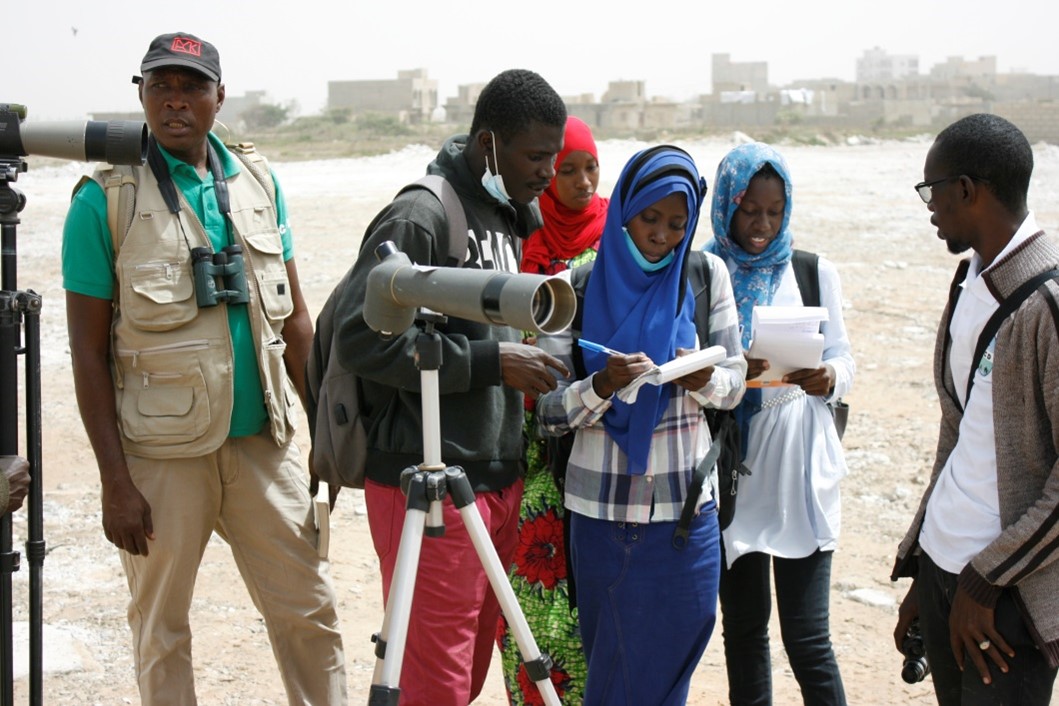
Photo: Bird monitoring team at Lake Mbeubeuss, Senegal; ©NCD
Birds are also found in remote areas that are difficult for scientists to access. Local people can help here, too. In 2021, two friends were out gathering materials in the Borneo rainforest when they came across an unfamiliar bird species. After sending a photograph to their local birdwatching group, they learned that they had rediscovered the Black-browed Babbler – a species lost for 172 years and feared extinct.
Another way that citizen science helps birds is by encouraging people to love and respect nature. Spending time watching and learning about birds makes people more likely to protect them. This idea has been around for centuries: in 1900 ornithologist Framk M. Chapman launched the ongoing Audubon Christmas Bird Count in the USA to replace the traditional Christmas bird hunting contest that killed thousands of birds a year. In Cyprus, where bird hunting is still ingrained in the local culture, our partner BirdLife Cyprus released a children’s bird guide, What’s that bird?, to inspire a new generation of nature lovers.
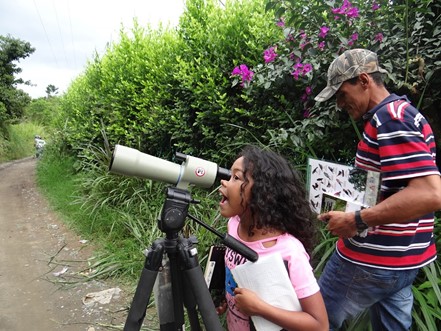
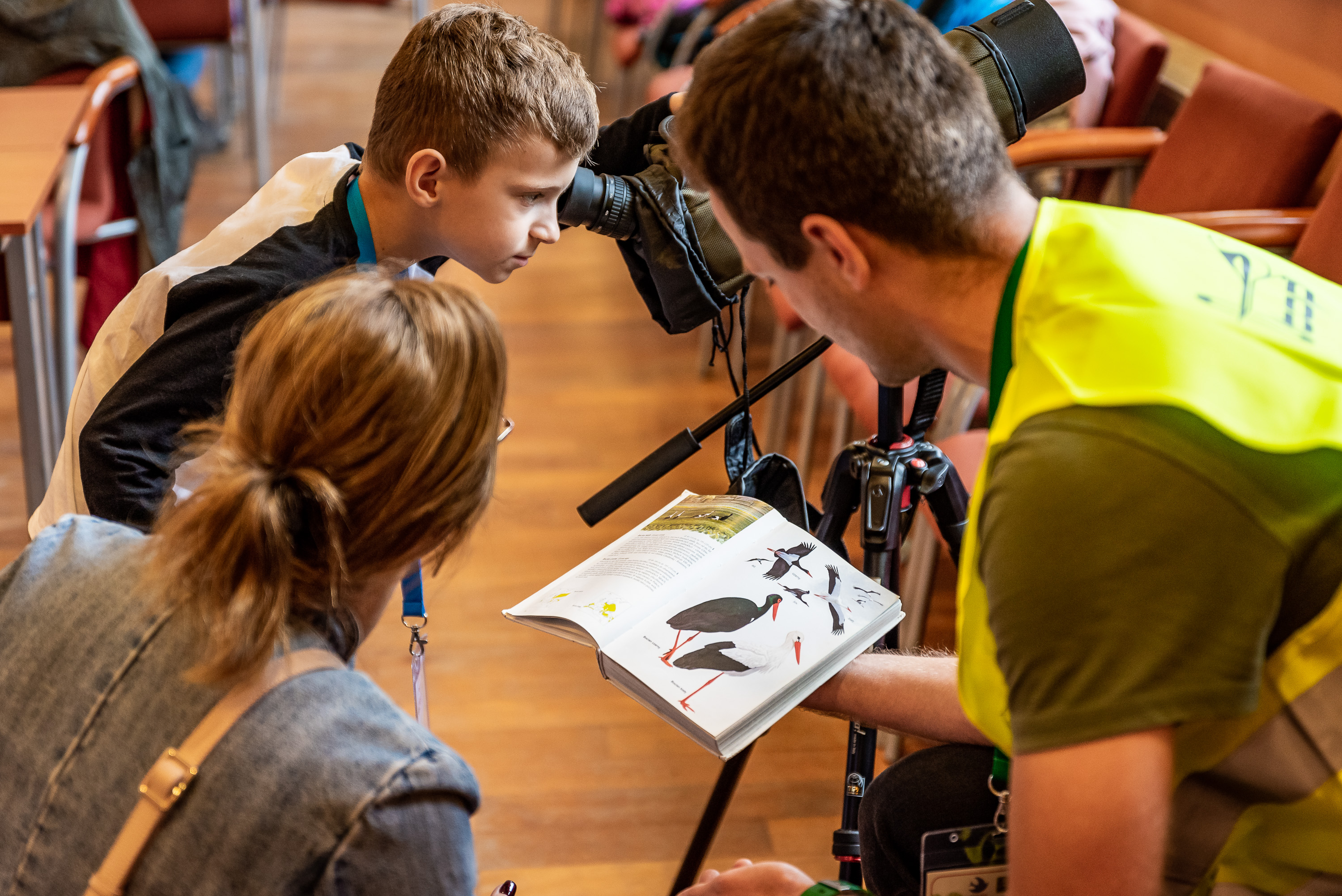
Photo: spending time watching birds makes people more likely to appreciate and thus protect them, ©Asociacion Calidris
How can I get involved?
There are lots of different citizen science projects to choose from. One fun way for young people to get involved is to enter sightings of the Spring Alive species on our interactive map. This will help us to keep track of the birds’ migrations in real time as the waves of sightings move from country to country.
Get in touch with your national Spring Alive Partner to learn about citizen science projects in your country, or if you’re looking for something more global, download the eBird mobile app, where you can log your bird sightings wherever you are in the world. If you just want a taster, consider signing up to a one-off bird count event such as Global Big Day, Global Bird Weekend or EuroBirdwatch. Outside of these, if you see any unusual wildlife or spot threats to nature, you can always report them directly to your local conservation group.
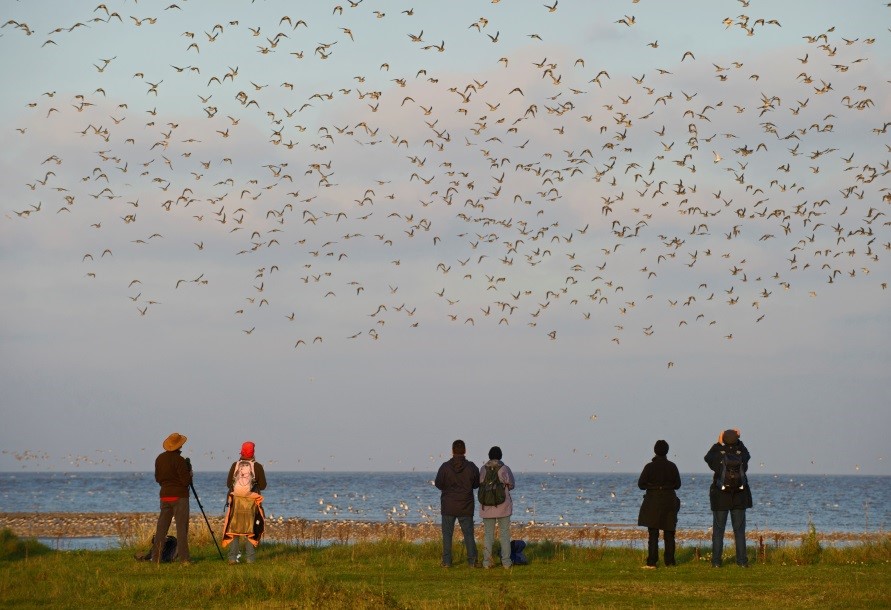
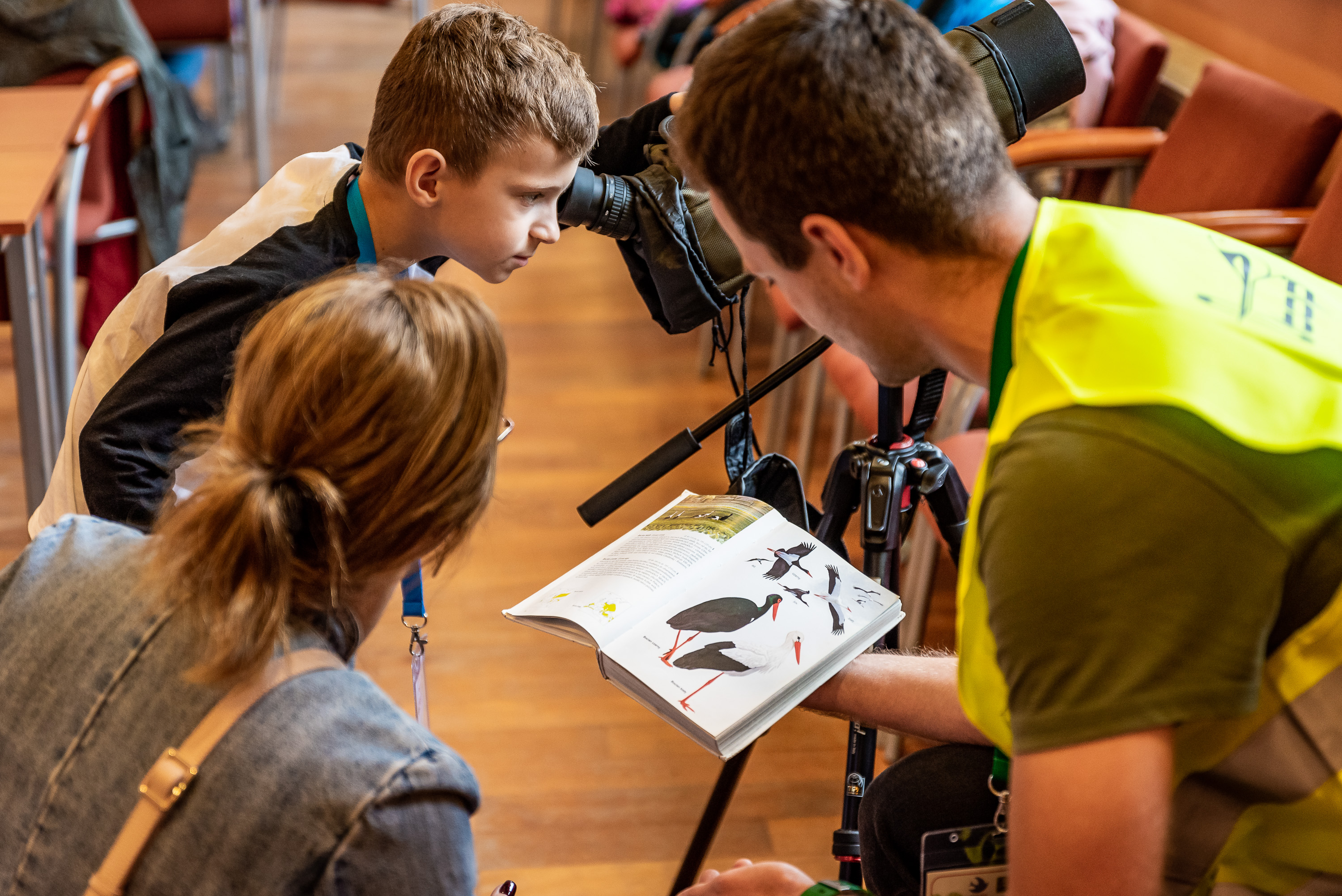
Photo: Birdwatchers watching waders, Norfolk UK © World Migratory Bird Day
When taking part in a citizen science project, follow the guidelines carefully and try not to disturb wildlife. Unless instructed otherwise, try to stay local or use eco-friendly modes of transport to reduce fuel emissions. Always make sure the information you enter is accurate – for example, by consulting a bird guide – and ask the organisers if you’re unsure about anything. This will ensure that your observations are as useful and scientific as possible, and can help us to direct conservation action where it’s most needed.
22 / 10 / 2026
Anyone can be a citizen scientist. Community volunteers are especially useful in big projects where scientists need to gather information from across the whole country, or even the whole world.
22 / 10 / 2026
Researchers in Flanders (Belgium) analyzed roadkill records from the last decade in the region, using data provided by citizen scientists. The data referred to 145,000 km of transects monitored, resulting in records of 1,726 mammal and 2,041 bird victums.
22 / 10 / 2026
BUT the growth of public participation in bird monitoring can greatly contribute to enhance conservation impact.
22 / 10 / 2026
Ziņo par saviem gājputnu novērojumiem!
22 / 10 / 2026
BUT public participation in bird monitoring can greatly contribute to enhance conservation impact.
22 / 10 / 2026
Dan lasta - 19. mart
22 / 10 / 2026
Dan lasta - 19. mart
Our top 10 tips on how to be a good birdwatcher
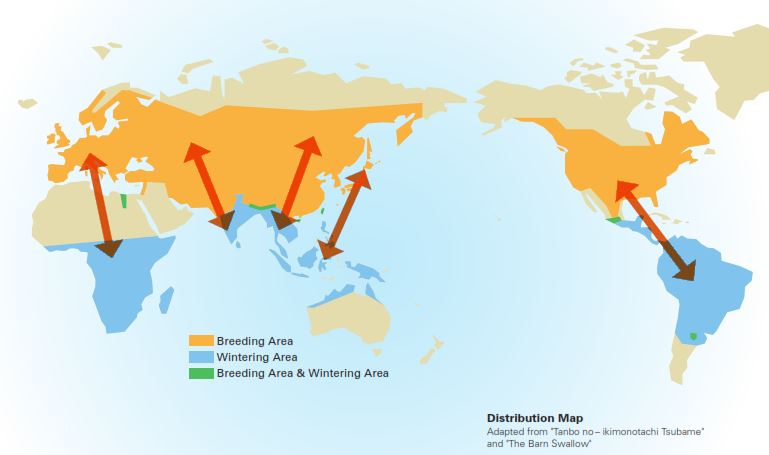
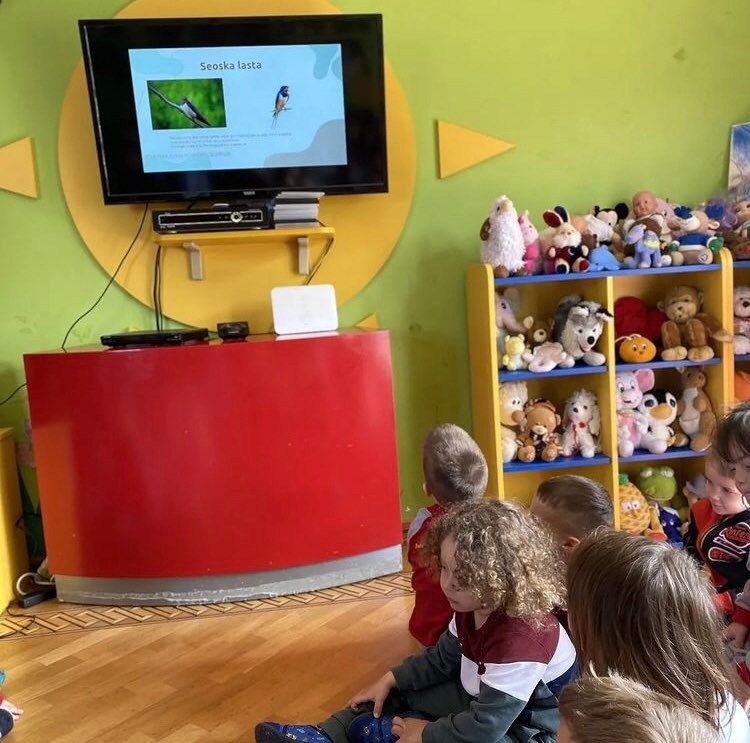
Barn Swallows are one of the most popular and familiar birds in the world. Let's meet them! :)
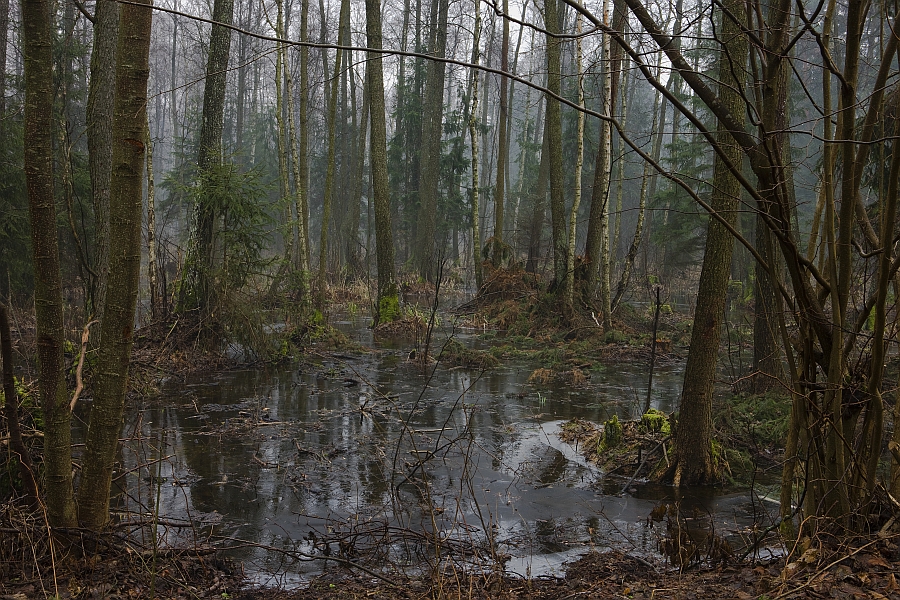
We see a baby bird on the ground and we think it is alone, helpless, small, cold, clumsy and fluffy… it is hard to resist the urge to rescue. But often people intervene when in fact most chicks are "fledglings" that should be left alone.
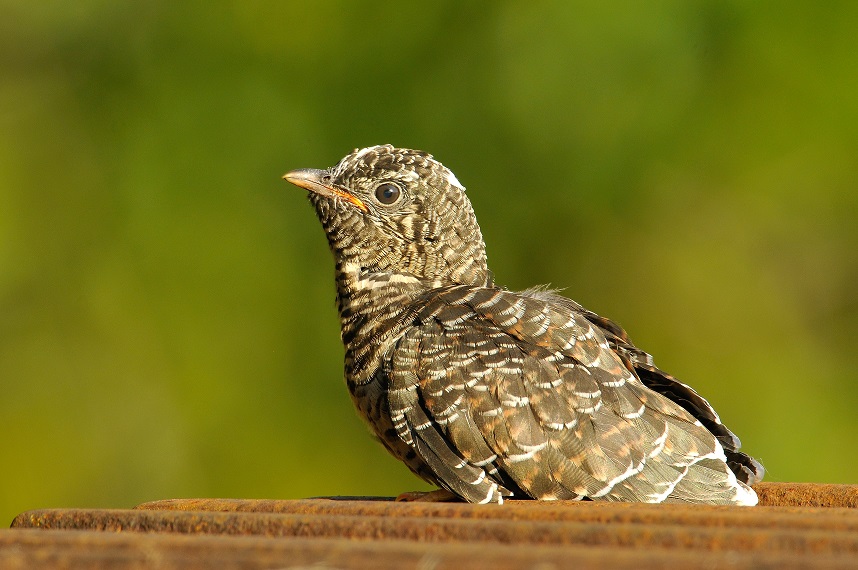
For example, children today are less likely to have heard the call of the Common Cuckoo than their parents, and much less likely than their grandparents.
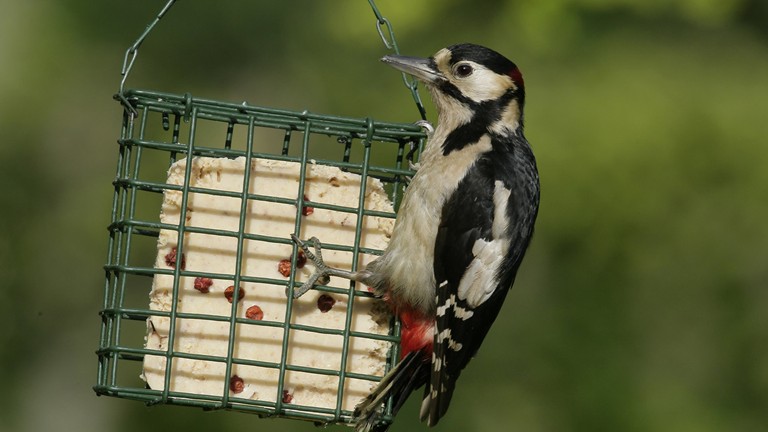
By putting out the right food at the right time of year, you can help your local birds get through times when natural food is short, and be fit and ready to breed in the spring.
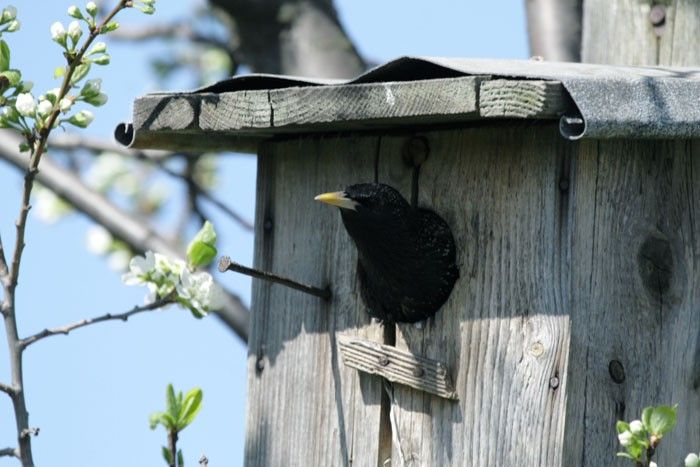
Make Spring come Alive in your garden or balcony each year!
Are you worried about the damage being done to a local wildlife spot, but don't know what to do about it? Maybe you have a favourite place to enjoy nature and want to make sure it's protected?
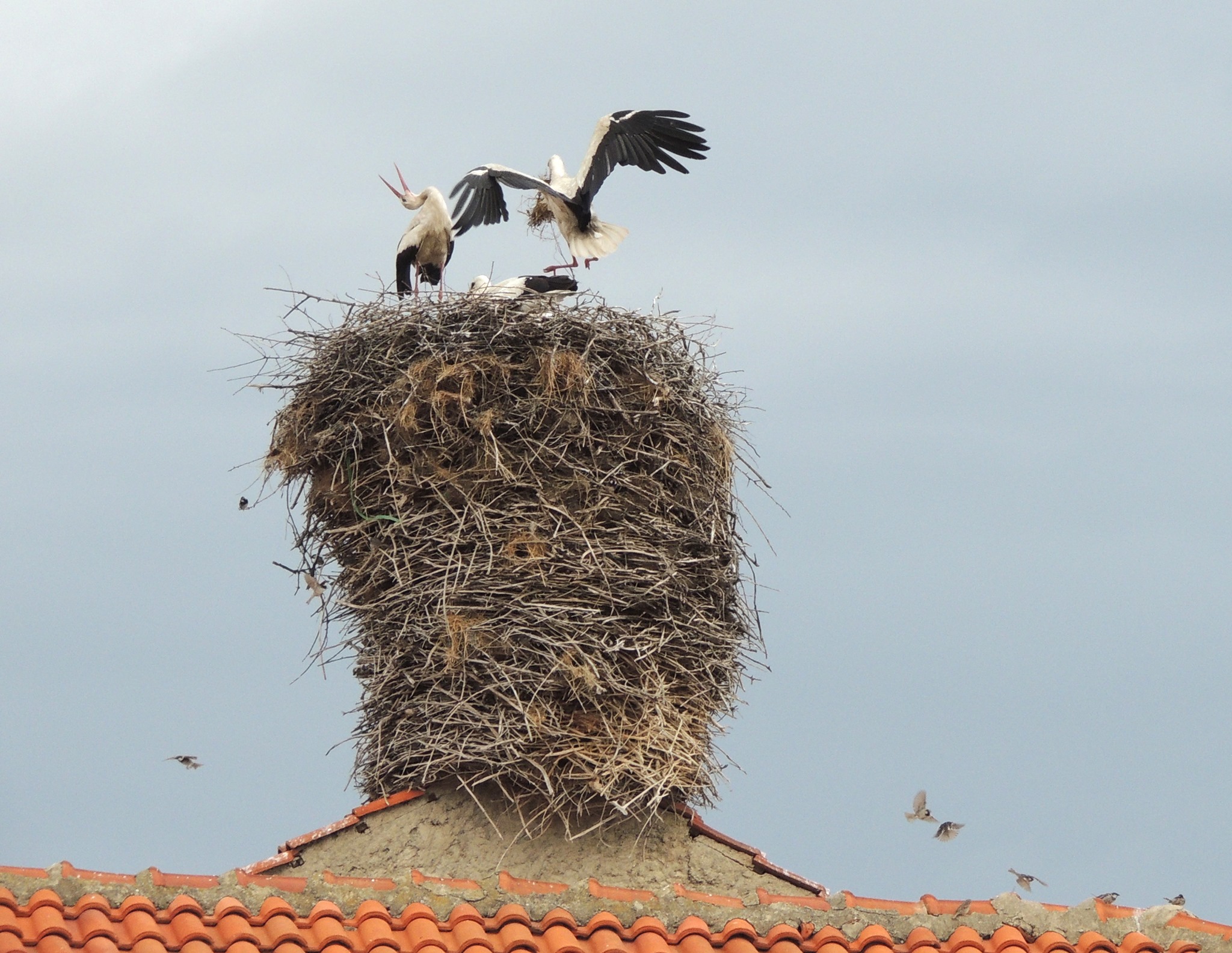
When storks are gathering materials for their nests, they may bring back various man-made objects, without realizing that they may be dangerous.
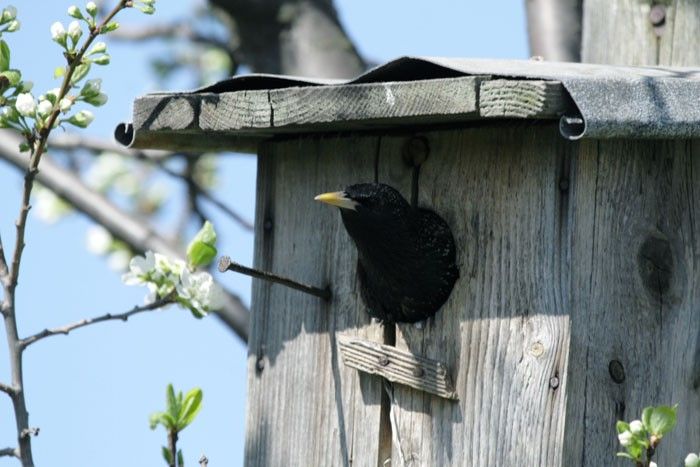
Many birds nest in holes. But modern forestry methods, and safety concerns in towns, mean that there are fewer old trees with hollows where birds can make their nests.