22 / 10 / 2026
Știre
Aceasta știre trebuie eliminata a fost realizată pentru testarea platformei.

Some of our most familiar migratory birds are in trouble. For example, children today are less likely to have heard the call of the Common Cuckoo than their parents, and much less likely than their grandparents.
There are all kinds of reasons for these birds becoming rarer.
Climate change is causing warmer winters and earlier springs. By the time migrant birds arrive on their breeding grounds, the first flush of new leaves and the caterpillars that feed on them may already be over, so less food is available for parent birds with babies in the nest.
Climate change is also causing drought in Africa, so that the area of desert the birds must fly across grows bigger every year.
Many spring migrants are “farmland” birds which have lived alongside us for hundreds or thousands of years. But farming has changed in the last half-century. Most farmers spray their crops with chemicals that kill insects and “weeds”. There are fewer untidy corners where birds can find insects and seeds to eat, and fewer hedges, old trees and old buildings where they can nest.
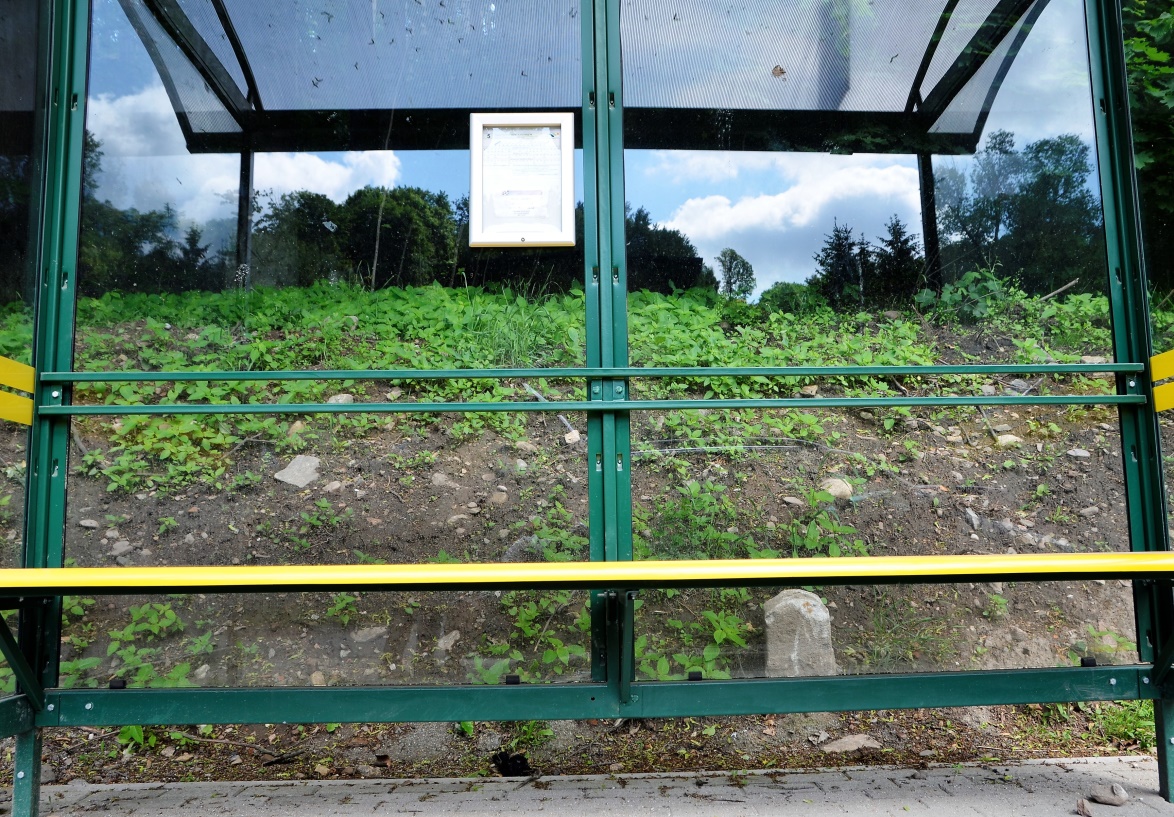
Our towns are becoming bigger, leaving less space for birds to feed and rest. The tall buildings, roads, railways, power-lines, wind turbines and transmission masts that modern life depends on can be barriers to birds, and when built in the wrong places, can kill thousands of birds every year.
Around half a billion (500 million) birds are killed by shooting or trapping as they migrate through the Mediterranean each year. Many of these birds belong to species that are already growing rare. This kind of hunting is often against the law, and against international agreements for the protection of migrating birds, but the people who do it often think they have a traditional right to kill birds.
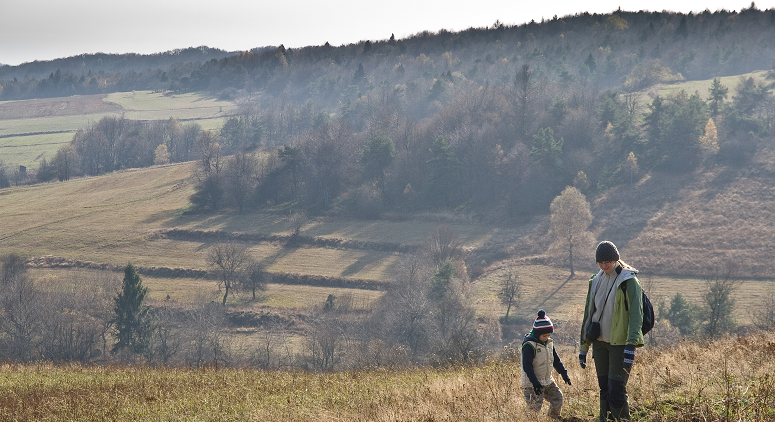
Our top 10 tips on how to be a good birdwatcher
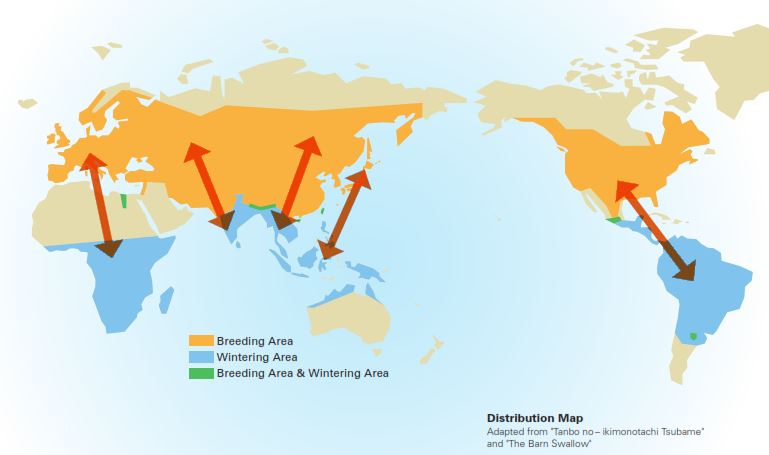
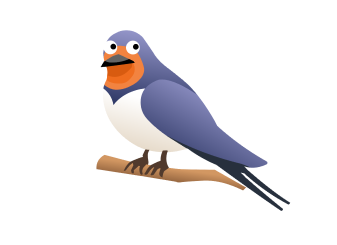
Barn Swallows are one of the most popular and familiar birds in the world. Let's meet them! :)
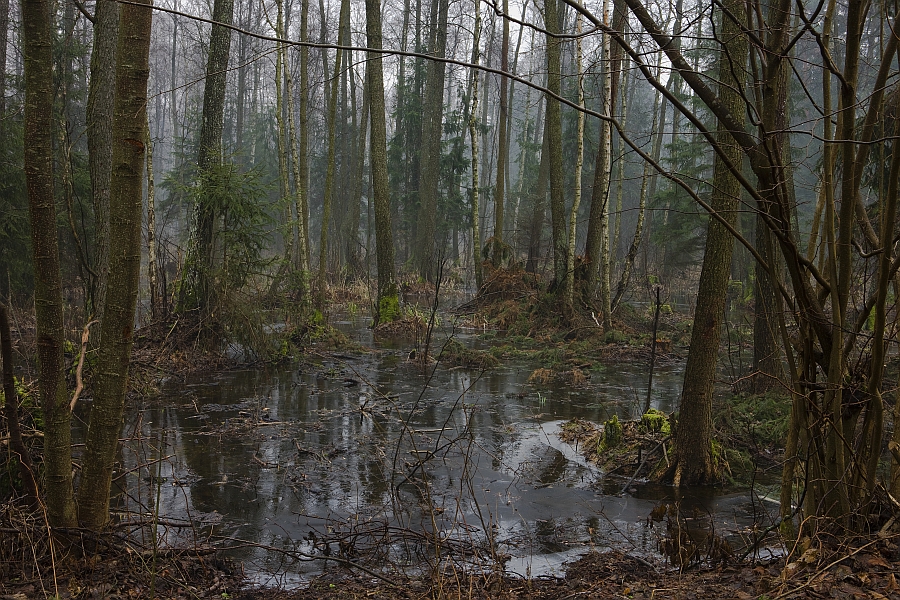
We see a baby bird on the ground and we think it is alone, helpless, small, cold, clumsy and fluffy… it is hard to resist the urge to rescue. But often people intervene when in fact most chicks are "fledglings" that should be left alone.
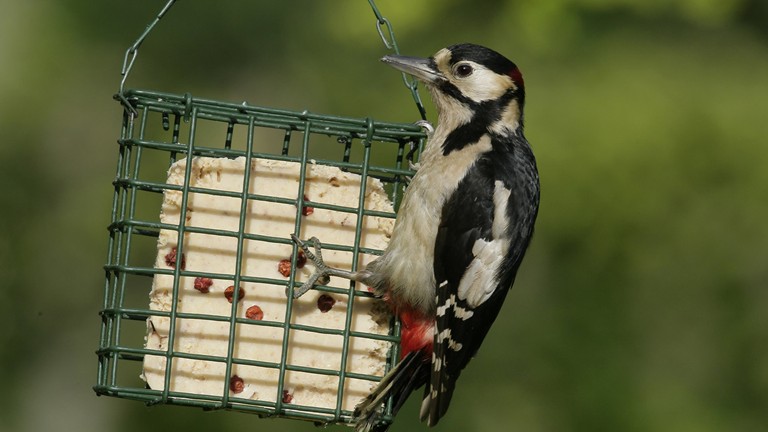
By putting out the right food at the right time of year, you can help your local birds get through times when natural food is short, and be fit and ready to breed in the spring.
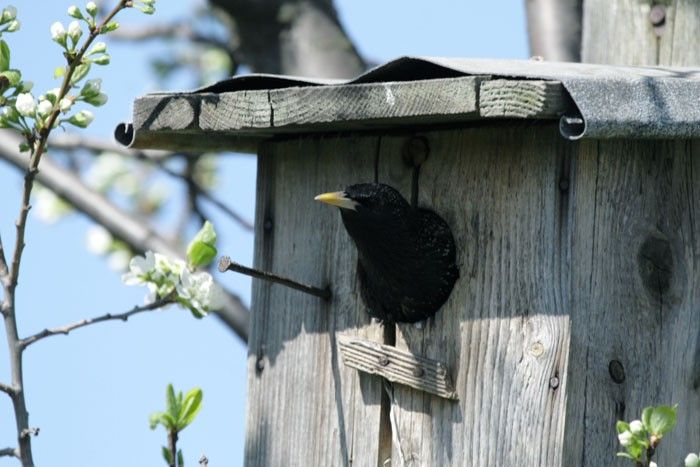
Make Spring come Alive in your garden or balcony each year!
Are you worried about the damage being done to a local wildlife spot, but don't know what to do about it? Maybe you have a favourite place to enjoy nature and want to make sure it's protected?
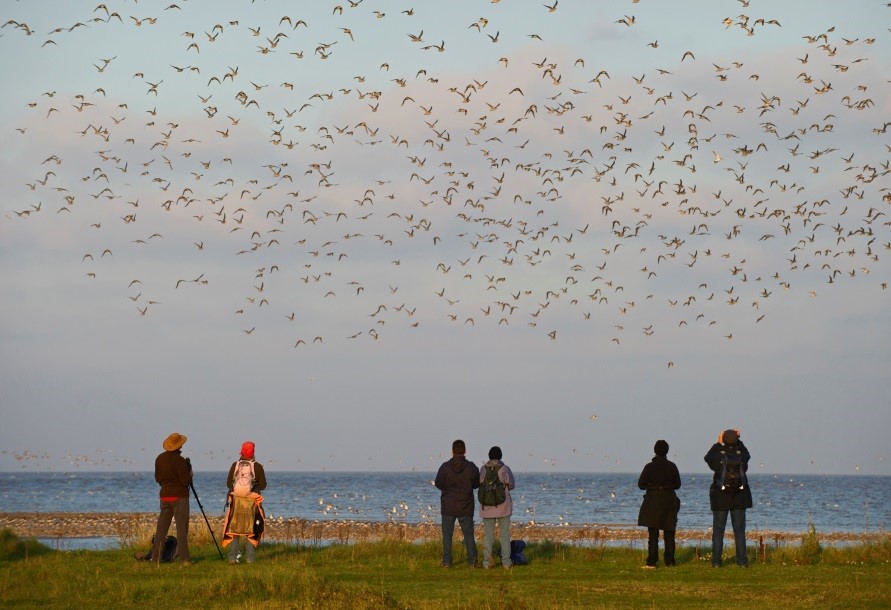
Put simply, citizen science is scientific research conducted by people who are not professional scientists. Some of the biggest discoveries in the world have been made by people without official scientific qualifications or funding.
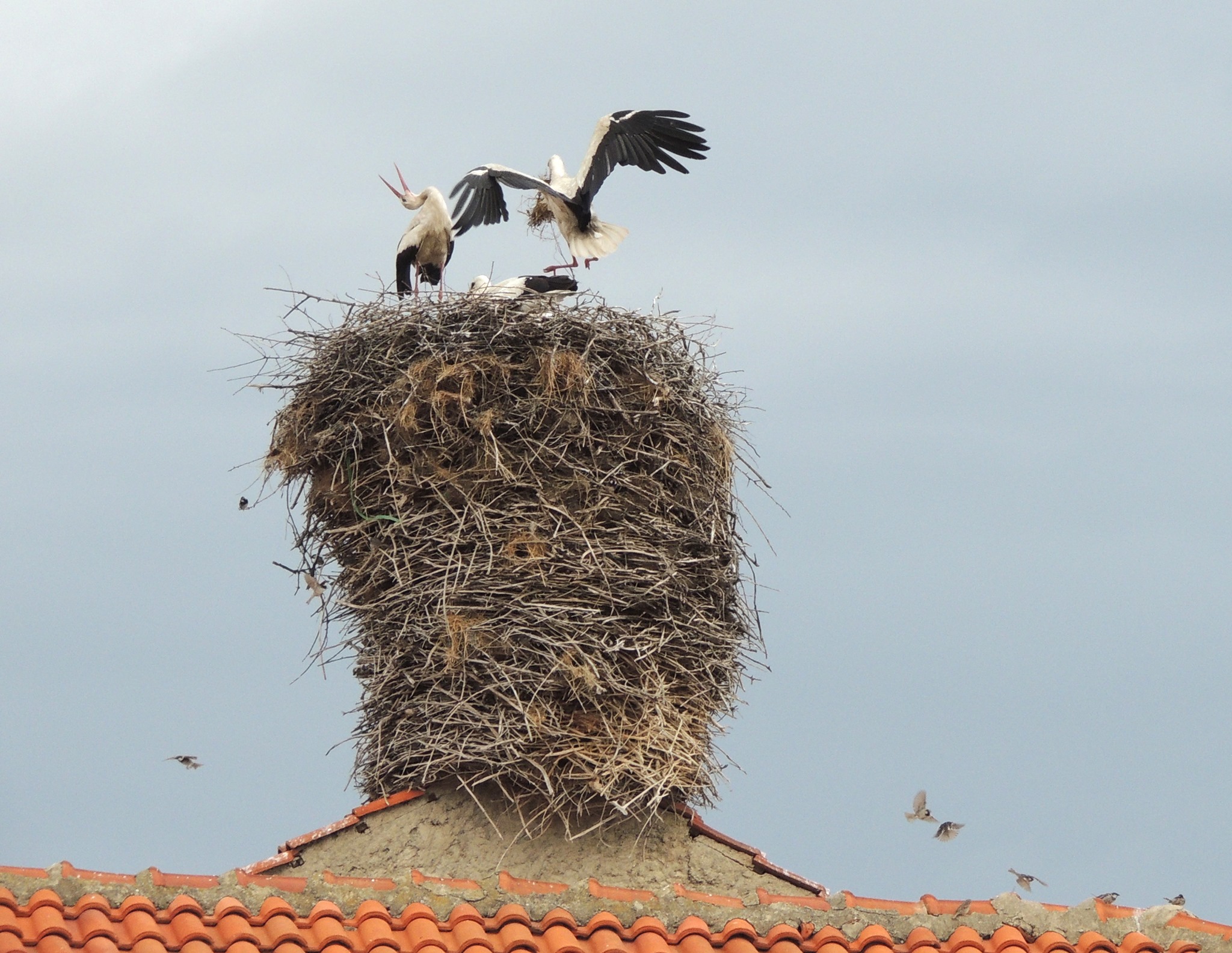
When storks are gathering materials for their nests, they may bring back various man-made objects, without realizing that they may be dangerous.
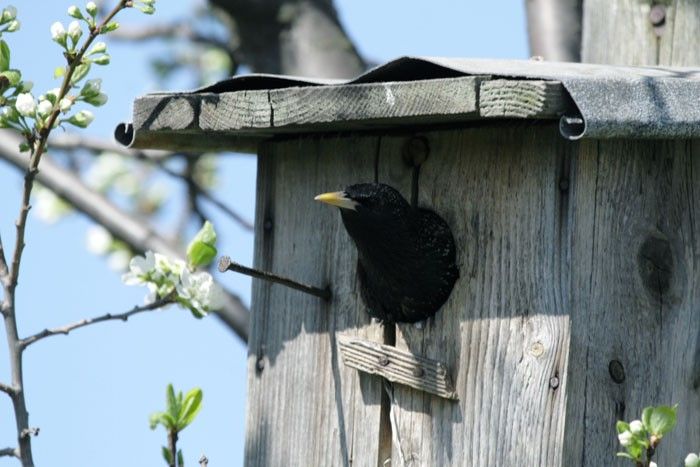
Many birds nest in holes. But modern forestry methods, and safety concerns in towns, mean that there are fewer old trees with hollows where birds can make their nests.